
How to Care for Your Diamond Engagement Ring
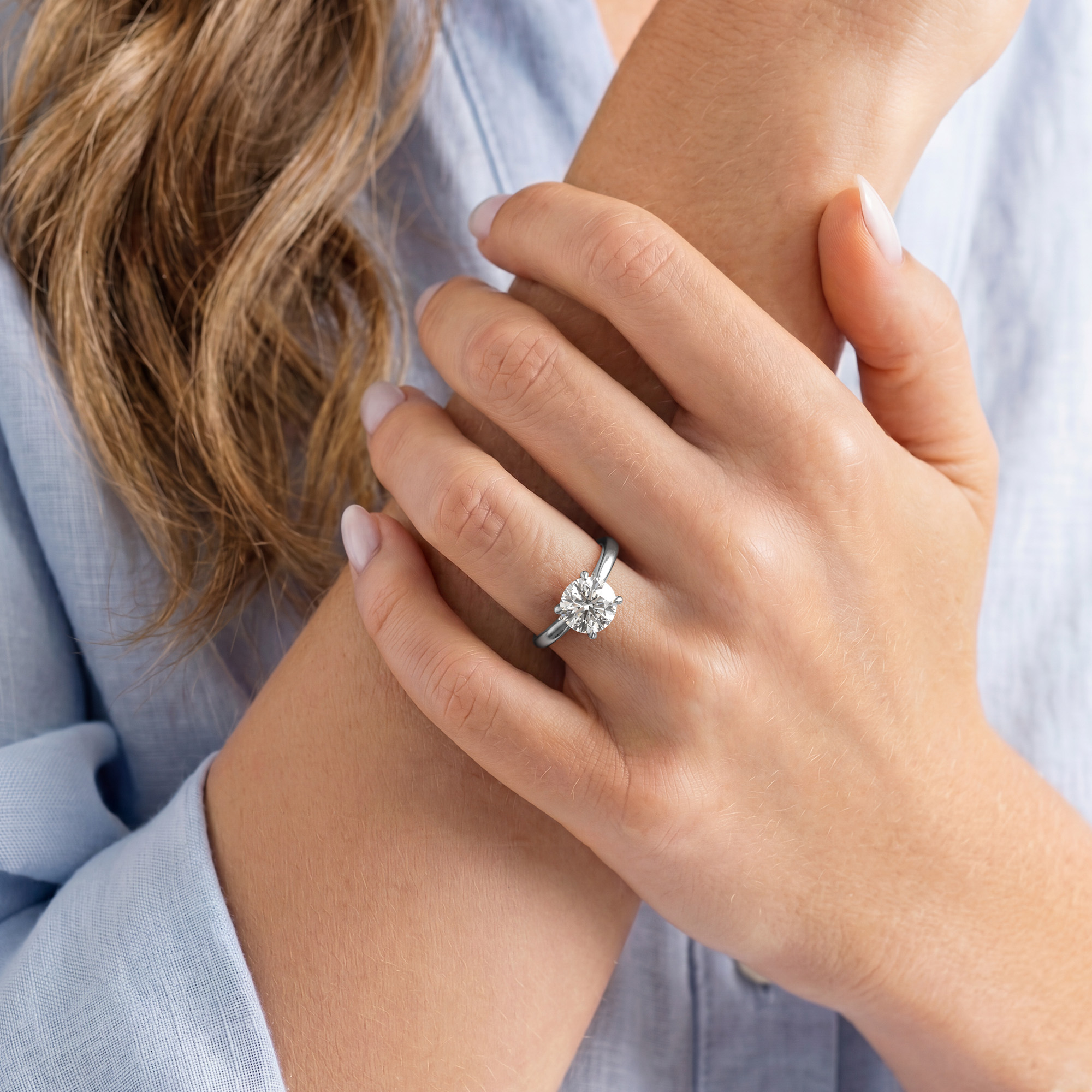
Everyday care starts with the setting
A diamond is highly resistant to scratching, but the metal around it and the stone's exposed edges can still be damaged by knocks, abrasion and pressure. The safest routine is to remove the ring before weight training, heavy gardening, manual work and tasks involving harsh cleaning products. Store it in a dedicated soft-lined case rather than leaving it on a sink or in a loose pocket.
How to clean a diamond engagement ring at home
For a sound diamond ring with no known loose stones or delicate treatments, a mild solution of lukewarm water and gentle washing-up liquid is often a reasonable starting point. Use a soft brush gently around accessible areas, rinse over a bowl rather than an open drain, and dry with a lint-free cloth. If the ring contains other gemstones, unusual finishes or suspected damage, ask a professional before soaking or brushing. Never assume the same cleaning method is safe for every piece of jewellery.
Cleaning around claws, baskets and galleries
Oil and residue can collect beneath a diamond and around the basket. Gentle cleaning may restore its appearance, but avoid forcing a brush under a prong or using a sharp tool to dislodge dirt. A diamond that moves or sits unevenly should not be cleaned at home until a jeweller has checked the setting.
Pavé and multiple-stone designs
Pavé, halo and three-stone rings have more stone seats and metal contacts to inspect than a plain-shank solitaire. Clean gently and avoid vigorous scrubbing across small stones. If an accent stone looks displaced or a claw catches fabric, stop wearing the ring and arrange an inspection. More stones do not automatically mean poor durability; construction and wear conditions matter.
White gold, yellow gold and platinum
Gold and platinum surfaces can develop fine scratches with normal wear. Rhodium-plated white gold may gradually reveal the underlying alloy colour as plating wears; professional replating can restore its bright finish where appropriate. Do not attempt aggressive polishing at home. A professional can assess whether scratches, wear or plating changes need attention. Ask about the exact alloy if there is skin sensitivity.
What about ultrasonic and steam cleaning?
Ultrasonic and steam cleaners are not universally safe for all rings. Vibration, heat or pressure can worsen existing weaknesses or affect certain gemstones and treatments. Avoid them if a stone may be loose, the ring is damaged, or its construction and treatments are unknown. Professional assessment is preferable to a blanket cleaning rule.
When should a ring be inspected?
There is no single inspection interval appropriate to every ring. Frequency depends on setting design, daily wear and exposure to knocks. Arrange prompt inspection after impact, if a claw snags, if the stone appears crooked or if anything moves. A jeweller can advise an appropriate maintenance schedule for the actual ring.
Storing and documenting the ring
Keep the ring separate from other jewellery to reduce scratching and tangling. Retain the purchase receipt, diamond grading report, any valuation and clear photographs. A grading report is not automatically an insurance valuation. Review insurance arrangements when the ring's replacement value or configuration changes.
Care instructions boundary
These are general principles for sound diamond-and-precious-metal rings. Cleaning and inspection methods for treated stones, fragile settings, pearls or other gems may differ. Follow the actual jeweller’s care instructions and seek inspection for damaged jewellery.
What ordinary wear can damage
Diamonds resist scratching extremely well, but they can chip at vulnerable edges after a hard impact. Claws, galleries and ring bands are metal structures that can bend, wear or loosen over time. Treat the setting as carefully as the stone. Remove the ring for weightlifting, heavy gardening, DIY, contact sports and tasks where a knock, snag or strong chemical exposure is likely.
A cautious home-cleaning routine
For an intact, uncomplicated diamond ring without known treatments or delicate materials, lukewarm water with a little mild washing-up liquid and a very soft brush is often appropriate. Work over a bowl, not an open plughole. Rinse gently and dry with a lint-free cloth. Do not force a brush under a stone or scrub loose claws. Avoid bleach and abrasive cleaners. Ultrasonic and steam cleaning are not universally safe, especially where stones are loose, settings are fragile or treatments are present. If unsure, consult a qualified jeweller before cleaning.
Signs that need professional attention
Stop wearing the ring and seek a qualified jeweller's assessment if a stone moves or rattles, a claw looks bent or lifted, the setting has taken a knock, or the band develops a crack or unexpected distortion. Do not test a potentially loose diamond repeatedly or attempt to tighten a claw at home. A ring may need professional inspection even if the diamond appears secure from above.
Cleaning, inspection and repair are different services
Cleaning removes surface residue. Inspection checks stone security and wear. Repair addresses identified faults. A professional polish or rhodium re-plating can change a metal surface but will not fix an insecure setting. Inspection frequency should be guided by wear, setting complexity and jeweller advice rather than an unsupported universal timetable. Ask what the service includes and whether work affects any retailer warranty or insurance arrangements.
Storage, travel and paperwork
Store rings separately in a lined compartment to avoid rubbing against other jewellery. When travelling, use a secure case and follow your insurer's terms for unattended valuables. Keep purchase records, grading-report details, photographs and any valuation documents in a safe place. A grading report describes a stone; a jewellery valuation serves a different purpose and may be required by an insurer.
Ring size and wedding bands
Finger size can vary with temperature, activity and time of day. A ring that is persistently too loose or tight deserves professional sizing advice. Not every band can be resized by the same amount: continuous pavé, unusual profiles and complex settings may limit options. When adding a wedding band, check the two designs together for clearance and rubbing. Do not assume a flush fit or guaranteed resizing until the exact rings have been assessed.